Abandoned carts hurt.
Not just because of lost revenue, but because many of those carts could be recovered with better strategy.
Most DTC brands run a basic 1 or 2-email flow with a generic “Still thinking about it?” subject line.
Then they wonder why their recovery rate is stuck at 5 to 7 percent.
The truth? There are smarter, more creative abandoned cart strategies that DTC teams miss all the time.
Let’s break them down.
In short: most recovery gains come from three changes - segmenting the flow by repeat buyer vs first-timer, adding a well-timed SMS touchpoint, and replacing a flat repeated discount with an incentive ladder. Here's the full breakdown.
1. No segmentation between customers and non-customers
🔴 The mistake:
Treating everyone in the cart flow the same, whether they’ve bought before or not.
🟢 The fix:
Split your abandoned cart flow:
• Repeat buyers: Emphasize reorder ease, loyalty benefits, bundles
• First-timers: Rebuild trust, share reviews, use social proof - see how we branched a real client's flow by customer type to do exactly this

2. Missing SMS as a recovery channel
🔴 The mistake:
Relying on email only, even when shoppers have opted into SMS.
🟢 The fix:
Add a well-timed text 30 to 60 minutes post-abandonment:
• Keep it short
• Include the product name or image
• Add urgency or exclusive benefit
Example: “Hey, still eyeing your [Product Name]? It’s in your cart. Complete your order before it sells out.”

3. No mention of product benefits
🔴 The mistake:
Just showing the product again with a button to return.
🟢 The fix:
Bring back the value prop.
Why did the customer add it in the first place? Remind them.
Use bullets like:
• Fights frizz in 30 seconds
• Lab-tested for sensitive skin
• Refillable, eco-friendly design

4. Forgetting to answer objections
🔴 The mistake:
Not addressing what’s stopping them.
🟢 The fix:
Use customer support data or review feedback to build objection-handling content into your emails:
• Is it easy to return?
• Will it work for me?
• How long does it last?
Answer directly in the cart emails or link to a “Why Buy Now?” page.

5. Skipping trust elements
🔴 The mistake:
Leaving out reassurance for first-time buyers.
🟢 The fix:
Add 1 or 2 of the following:
• Star rating with number of reviews
• “As seen in” press logos
• Money-back guarantee
• Free shipping and easy returns badges

6. Ignoring time-based urgency
🔴 The mistake:
Sending 3 cart emails over 3 days and that’s it.
🟢 The fix:
Test time-based urgency:
• 15% off valid for 24 hours
• Product held for 2 hours
• Early access to restock ends tonight
Use real timers where possible. Add reminders via SMS.

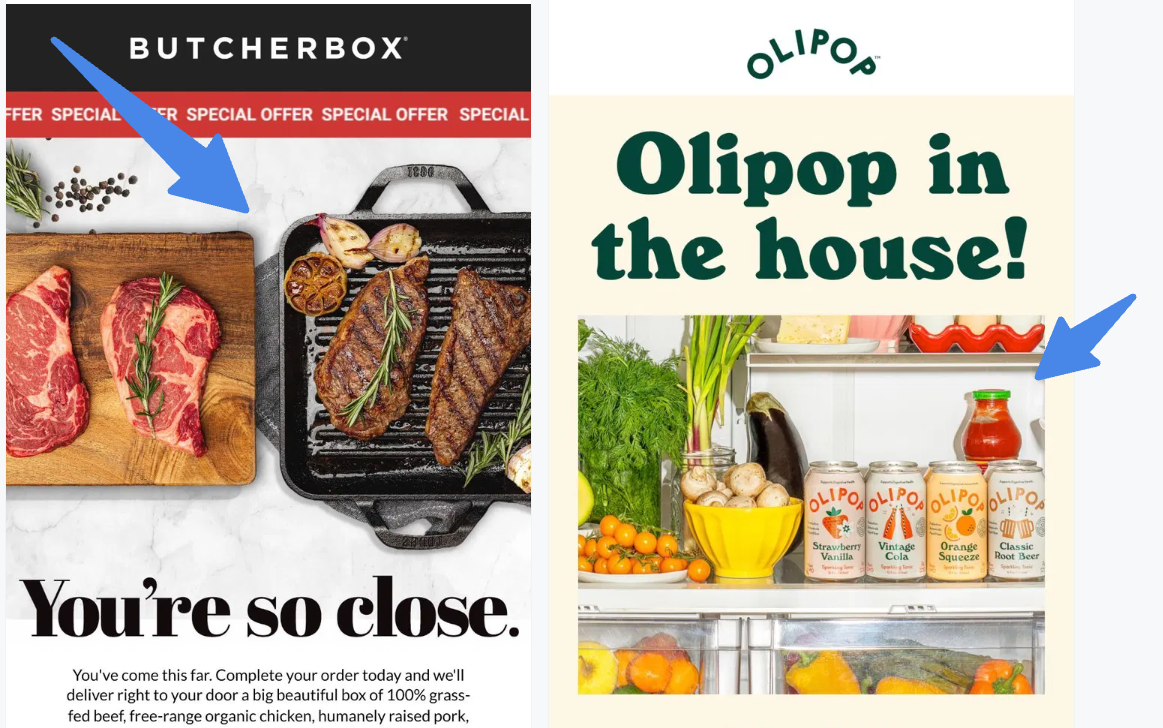
7. Forgetting to show multiple product views
🔴 The mistake:
Showing only one image of the carted product.
🟢 The fix:
Include:
• Lifestyle image (real use)
• Close-up of key detail
• User-generated image or video
This builds confidence in the purchase.
8. No incentive ladder
🔴 The mistake:
Offering the same discount in all 3 emails.
🟢 The fix:
Use a ramped structure:
• Email 1: reminder with no discount
• Email 2: Slight urgency
• Email 3: Small incentive like free shipping or 10% off
For higher-margin items, SMS can carry the final offer instead of email.

9. Static product recommendations
🔴 The mistake:
Showing the same cross-sells to everyone.
🟢 The fix:
Use dynamic blocks to:
• Recommend based on carted item
• Suggest complementary products
• Highlight bestsellers in the same category
You can pull this logic using Klaviyo or tools like Rebuy.

10. Not testing CTA wording
🔴 The mistake:
Only using “Return to cart” as the button copy.
🟢 The fix:
A/B test with alternatives:
• Get it before it’s gone
• Finish checkout now
• Yes, I want this
Strong CTAs can lift click-through rate without changing anything else.
Conclusion:
Cart abandonment isn’t just a flow, it’s a recovery strategy.
If you’re still running a generic 2-email setup with no SMS, no segmentation, and no product value messaging, you’re leaving revenue on the table.
Start by:
• Splitting your audience
• Adding SMS at the right time
• Rebuilding trust and urgency in every message
----------------------------
Need help diagnosing what’s missing in your cart flow?
We run Klaviyo audits that pinpoint where brands are leaking revenue.
Don't miss: How to Convert Abandoned Checkouts Into Sales: The ULTIMATE Guide
FAQ
What's the best abandoned cart strategy for DTC brands?
The strategies that actually move recovery rate are the ones most brands skip: segmenting the flow by repeat buyer vs first-time buyer, adding a well-timed SMS 30–60 minutes after abandonment, and using an incentive ladder across the sequence (no discount in email 1, urgency in email 2, a small incentive like free shipping or 10% off in email 3) instead of repeating the same offer three times.
What's a good abandoned cart flow structure?
Skip the generic 1–2 email setup. A stronger flow runs at least 3 emails: a plain reminder with no discount, a follow-up with urgency, and a final message with a small incentive. Add SMS 30–60 minutes after the cart is abandoned, and for higher-margin items let SMS carry the final offer instead of stacking another discount into email.
How do you convert abandoned carts into sales?
Start by splitting your audience (repeat buyers vs first-timers get different messaging), add SMS at the right moment, and rebuild trust and urgency in every message rather than just resending the same "still thinking about it?" email. For the full walkthrough, see How to Convert Abandoned Checkouts Into Sales.
What's a good SMS strategy for abandoned carts?
Send a text 30 to 60 minutes after the cart is abandoned - any sooner and the shopper may still just be browsing. Keep it short, include the product name or image, and add urgency or an exclusive benefit rather than a generic nudge, e.g. "Still eyeing your [Product Name]? It's in your cart. Complete your order before it sells out.
Want more of this in your inbox? Subscribe to our newsletter and YouTube channel for weekly DTC retention strategies, extracted straight from the brands we work with. No fluff, just actionable plays.

.svg)


.png)


1.png)
.png)