

If you run a subscription brand and want to scale it towards nine figures, there are only three levers that actually move the needle:
1. Get more customers to subscribe in the first place → increase your subscription take rate
2. Keep them subscribed for longer → reduce churn
3. Increase how much each subscriber spends → grow average order value (AOV)
While the best subscription brands in the world work on all three simultaneously most other brands pick one and wonder why growth plateaus.
Here's the mistake I see constantly: a brand hires an email and SMS agency and assumes that alone will scale their subscription programme.
It won't. That’s because retention for a subscription business isn't just about sending emails. You need to optimise the customer portal, improve the subscription buy box and get email, SMS, and direct mail to work together.
When you rely on email marketing alone, you leave a significant amount of incremental revenue on the table. In some cases, you actively damage lifetime value (LTV).
Before we go deeper into the three-lever playbook we use with subscription clients at Magnet Monster, pull up your subscriber retention curve. If you manage a subscription business, you already know this view.
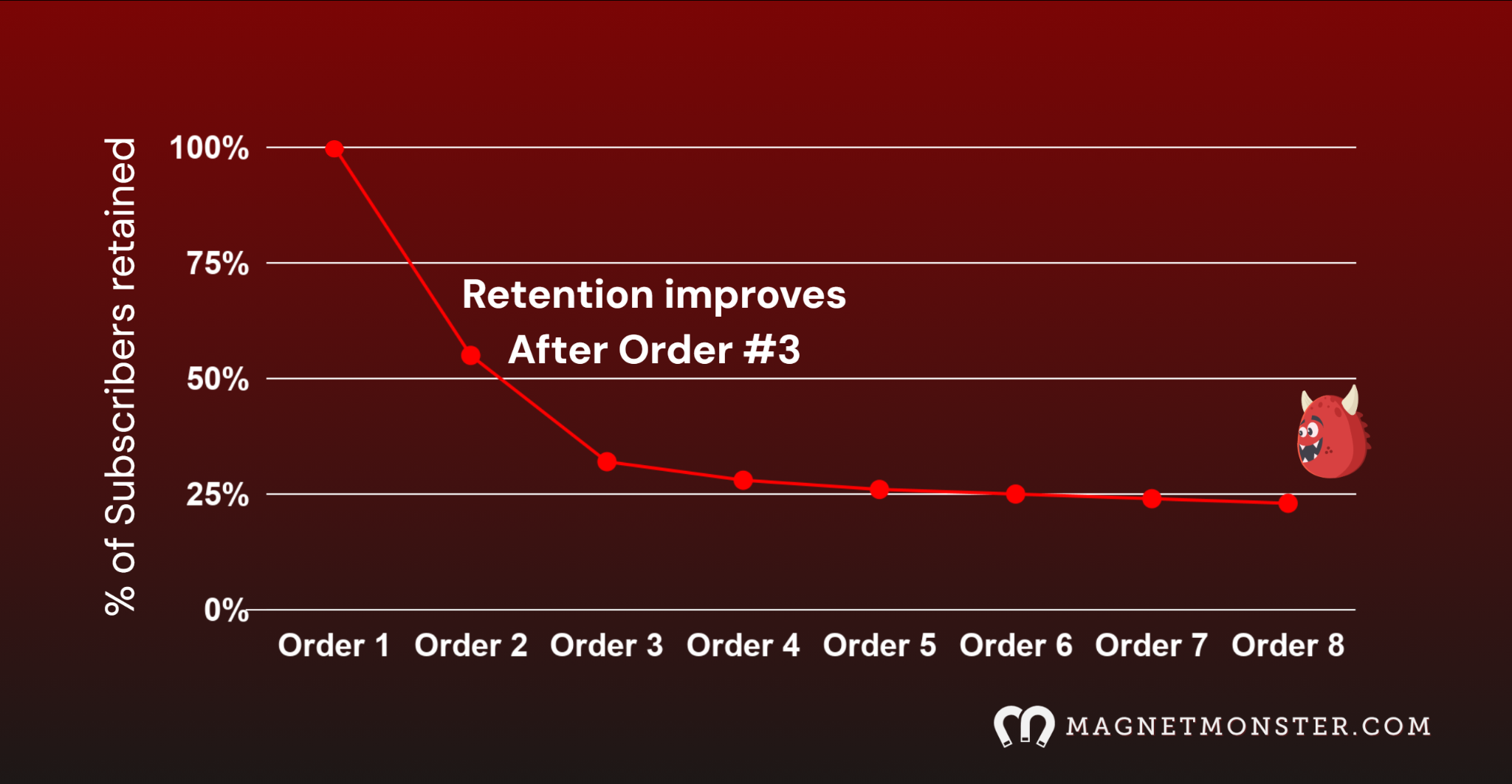
The shape is almost always the same across DTC. Churn is brutal from month zero to month three. That's where most of your subscribers leave.
That's also where the myth that you should never email active subscribers was born. People looked at that cliff, saw emails going out during it, and drew a straight line between the two.
But look at what happens after month three: the curve flattens. Flattening is the signal. At that point you can reasonably assume someone is happy with the subscription. They're not surprised when the package arrives. The habit is built.
That's your switch.
Your objective changes from churn prevention to maximising recurring AOV - or average revenue per user if you prefer the SaaS framing.
The graph isn't decoration. It's the thing that tells you which mode you're in. And most brands never look at it before deciding their campaign strategy.
Read: How to Scale LTV From Your Existing Subscribers: A 4-Play Upsell Playbook for DTC Brands
Why subscription growth should be a top priority
First, let’s understand this data point before getting into the levers.
Across dozens of brands we've worked with - and consistent with what major subscription platforms like Recharge have found - a subscriber is worth approximately two to three times more than a one-time purchaser over their lifetime.
It's not a perfect comparison. Pushing more customers towards subscriptions through paid advertising can increase CAC. There is some nuance.
But in most cases, subscriptions make commercial sense. The higher lifetime value justifies the higher acquisition cost.
Bottom line: you should try to get as many suitable customers as possible onto a subscription.
Don't miss: How to Increase AOV for DTC Brands: The Cohort-Led Playbook (With Ben Sharf, Platter)
Lever 1: How do you increase your subscription take rate?
Your subscription take rate is the percentage of customers who choose to subscribe on their first purchase rather than buying once.
The most important thing to get right is the subscription buy box. This is where the customer makes the decision. Optimise it relentlessly and make the subscription feel like the obvious default.
.png)
Make the subscription the default selection
PetLab Co. does this well. Their buy box defaults to the Subscribe and Save option. The customer can still switch to a one-time purchase, but presenting the subscription first reduces friction and positions it as the natural choice.
The buy box also makes clear that the customer can cancel at any time. A lack of perceived flexibility is one of the biggest reasons customers avoid subscribing. Make cancellation, pausing, and adjusting feel easy from the very first interaction.
Encourage larger upfront commitments
Offering a three-month or quarterly subscription alongside a monthly option serves multiple purposes.
While it brings more cash into the business immediately, it also gives you more margin to work with for incentives. And it increases the customer's commitment to the product - which matters most for supplements and products that need consistent use before results appear.
Frame the larger commitment around accountability and habit formation, not just price. Give customers a stronger reason to buy more upfront and you can justify a more attractive incentive.
Break the price down per day or serving
There’s basic human psychology at play here. The total price might be £30. But presenting it as approximately £1 per day makes it feel significantly more affordable and makes the subscription look considerably more attractive than the one-time option. This is a small change that consistently moves take rate.
Use gifts and tiered rewards to increase take rate
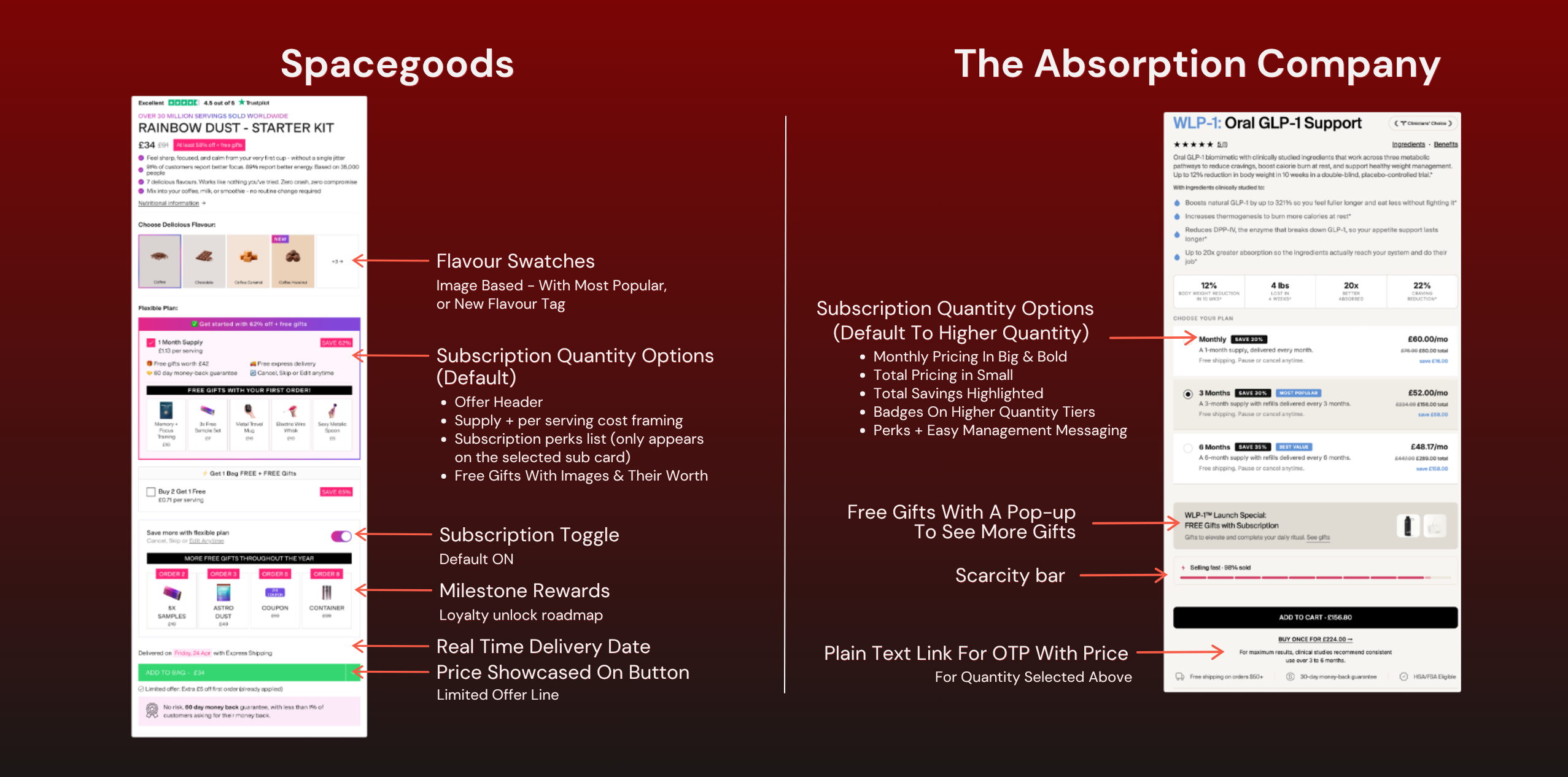
Spacegoods shows customers exactly what they receive with their first subscription order that one-time purchasers do not get. Then it shows what they unlock by staying subscribed through the year.
This does two things simultaneously:
1. It increases the initial subscription take rate.
2. And it gives customers a reason to stay that has nothing to do with the product itself.
The gifts do not need to be expensive. A low-cost, high-margin SKU - something like a vitamin product in a supplement range - adds perceived value without destroying margin.
Reduce the risk of subscribing
A prominent money-back guarantee near the add-to-cart point reduces the customer's perceived risk. The longer the guarantee period, the stronger the signal that you believe in the product.
Set expectations from the start
The Absorption Company tells customers upfront that they need to use the product for approximately ten weeks before expecting meaningful results. This frames the product as requiring commitment rather than a casual monthly trial.
When you set the correct expectations at the first touchpoint, you increase take rate, reduce churn downstream, and attract customers who are genuinely committed rather than subscribers who join only to claim the initial offer and immediately cancel.
Convert one-time purchasers after checkout
If a customer bypasses all of this and completes a one-time purchase, the opportunity is not gone.
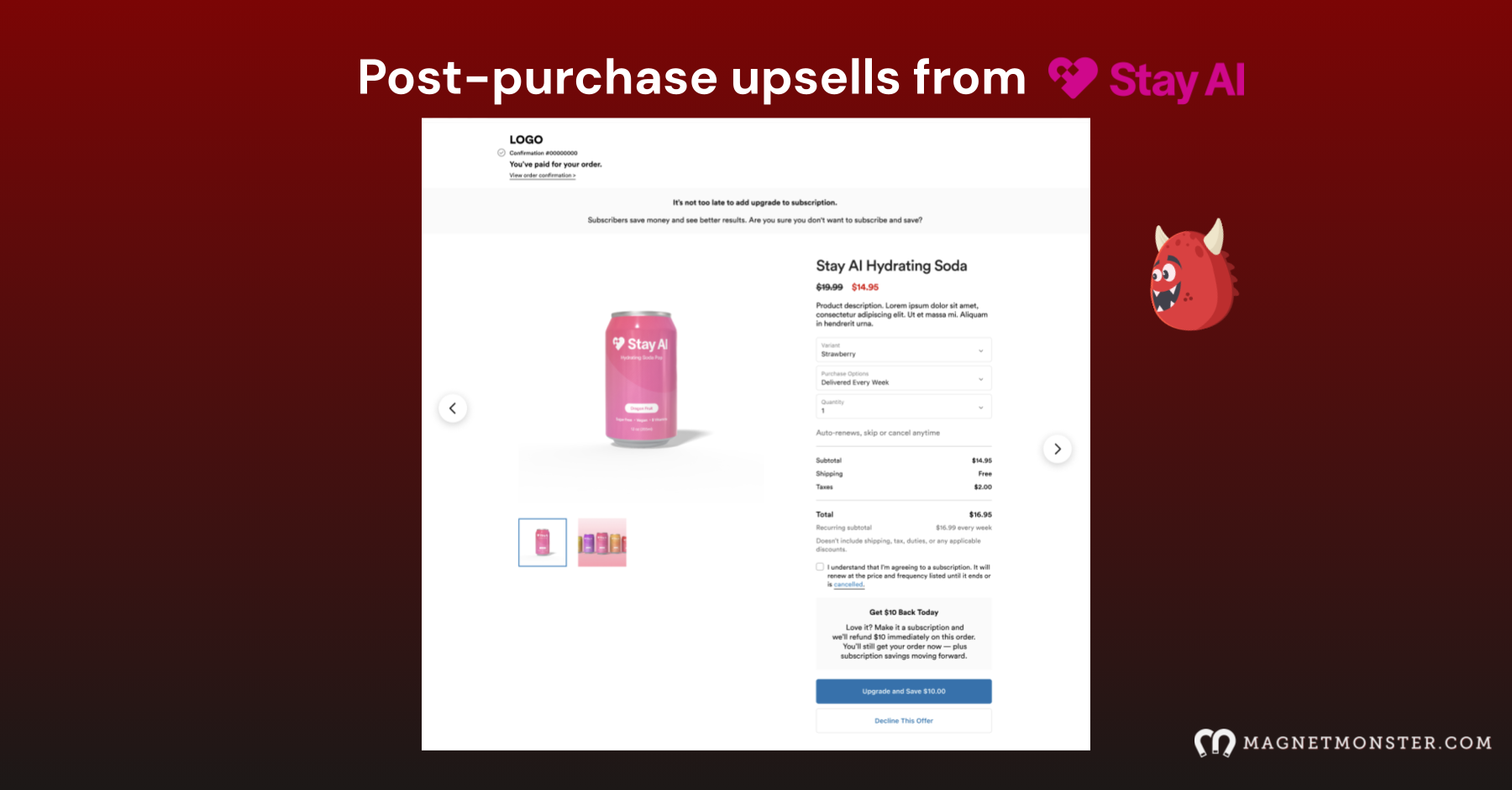
A post-purchase page - Stay AI offers this - can tell the customer it isn't too late to switch their order to a subscription. It reiterates the benefits and reframes the savings. This captures customers reconsidering whether a recurring order offers better value.
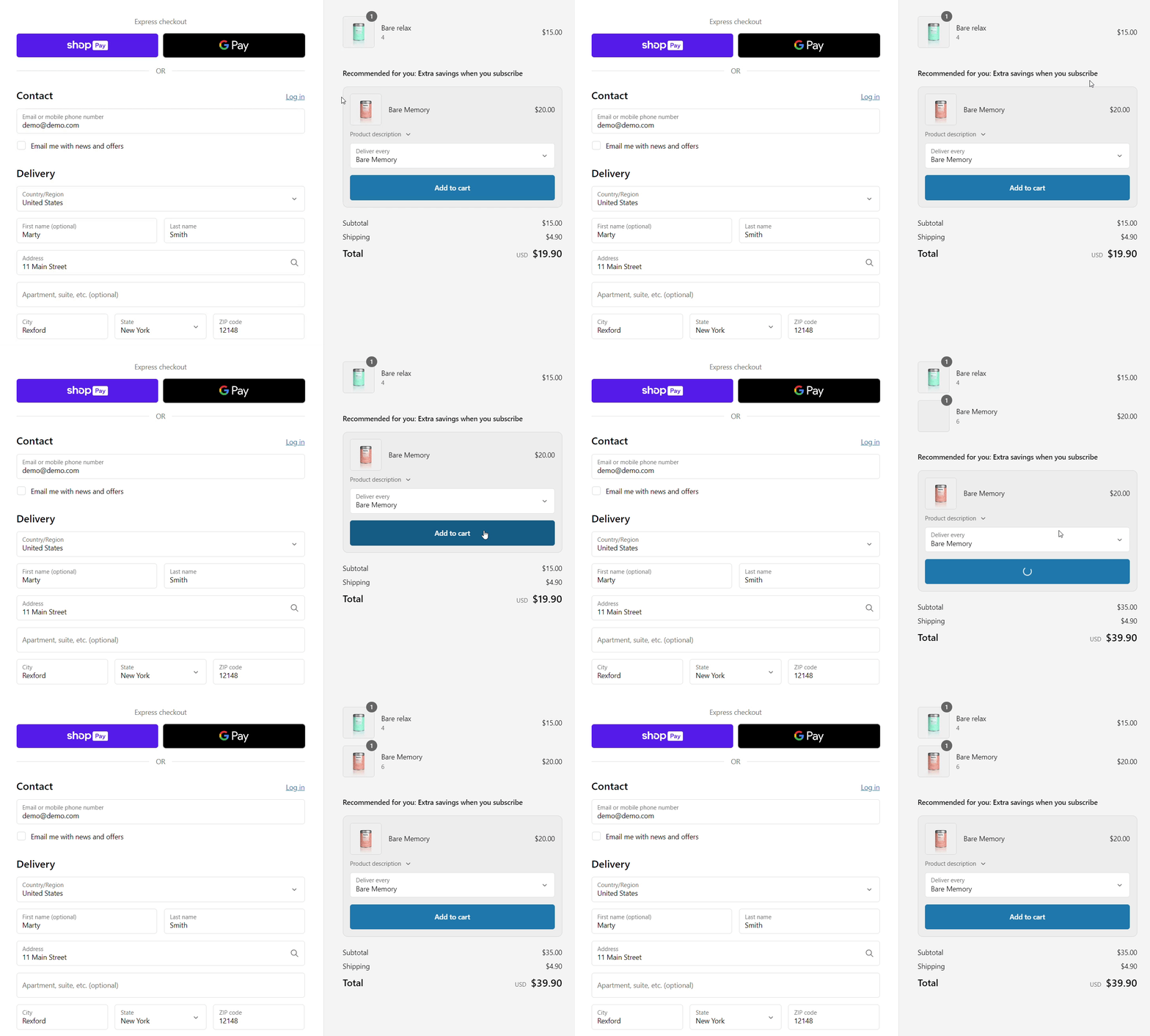
Recharge also offers post-purchase cross-sell functionality to increase first-order AOV and add products to the subscription immediately after checkout.
The key lesson from this lever: subscription growth starts with the buy box. After that, look at the checkout and post-purchase page. Email can reinforce subscription benefits through welcome flows and campaigns, but the largest opportunity is where the customer makes the initial decision. Optimise that relentlessly.
Read: Why the first 30 days matters the most for your retention marketing
Lever 2: How do you reduce subscription churn?
Most people assume price is the primary reason that forces subscribers to cancel. Usually it isn't.
In most cases, customers cancel because they aren't using the product consistently and therefore aren't experiencing the results they expected. This often surfaces as an excess-product complaint. The customer says they have too much stock. But why have they accumulated it? Usually because they haven't been using it at the intended rate.
When customers don't use the product, they don't experience the value. Eventually they cancel.
Your first priority is product activation. Get customers using the product immediately. Build the habit early. Hold them accountable to the reason they subscribed.
Teach customers how to use the product
Blog articles, tutorials, and practical walkthroughs belong in your onboarding flow. The faster a new subscriber becomes educated about your product, the more likely they are to experience a result within the first 30 days - which is the window that matters most.

For brands with an educational product category and a visible founder, live events and community sessions can also work well. Dr. Livingood, one of our clients, uses upcoming events and live streams to keep subscribers engaged during the early lifecycle.
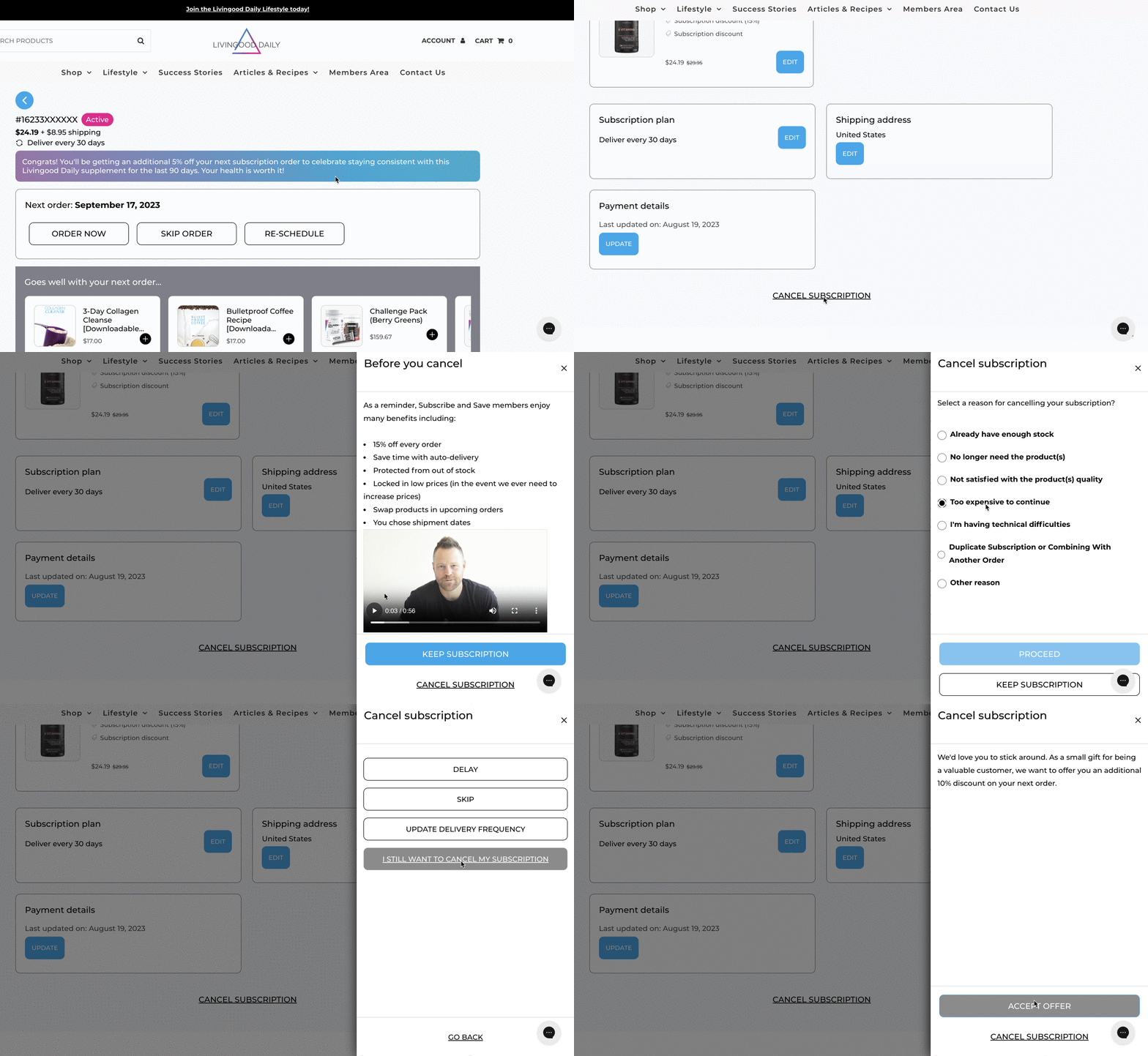
Use challenges and gamification to build habit
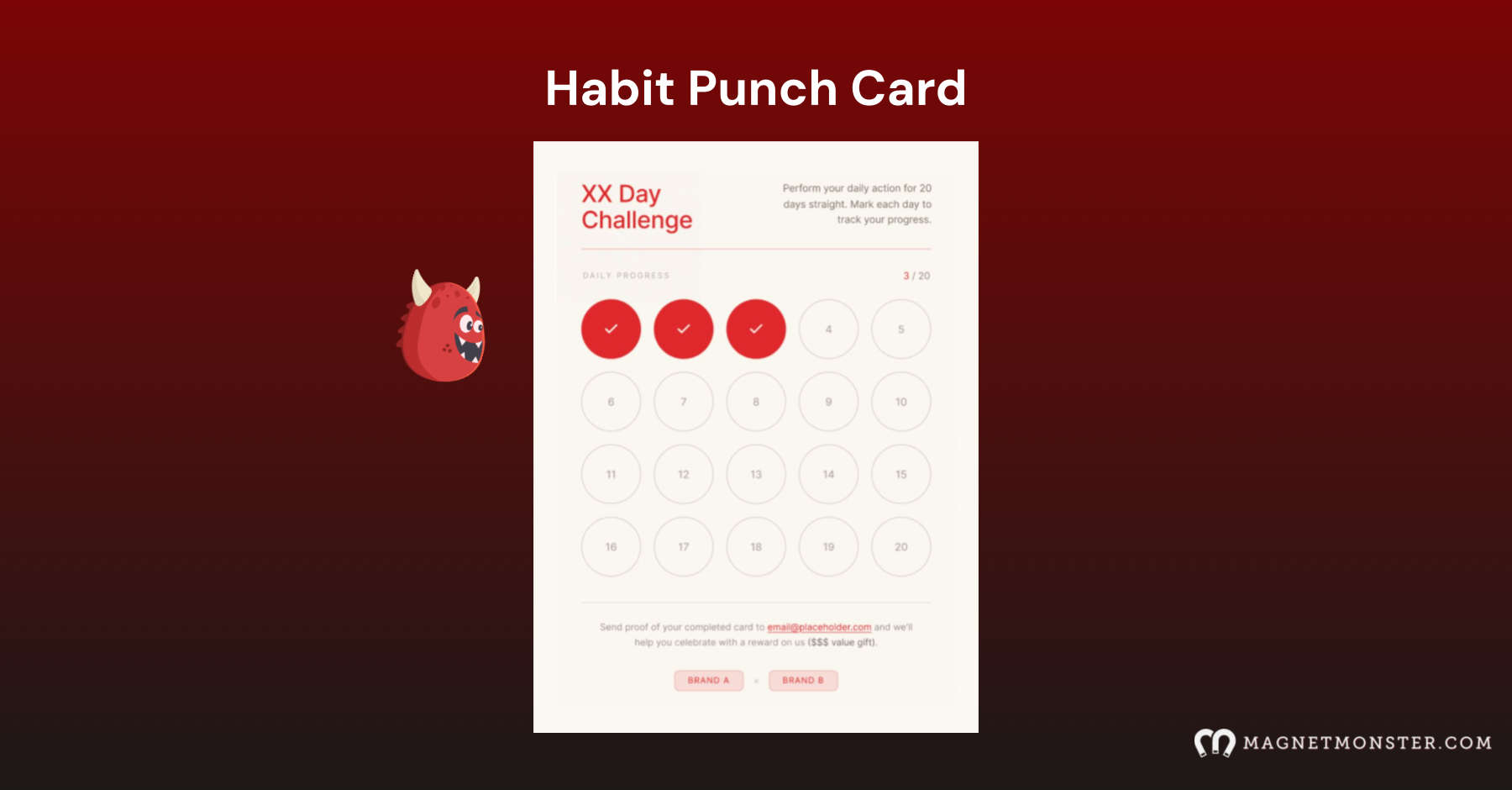
Digital punch cards, streaks, and challenges hold customers accountable in a way that a standard email cannot.
_Magnet%20Monster.png)
Loop Subscriptions offer a Streaks feature that tracks consistency. The first two weeks are the most important window. You want the customer using the product immediately, experiencing something early, and associating that experience with the subscription.

After those initial weeks, reduce communication frequency. You generally don't need to email subscribers every day unless the product genuinely requires extensive ongoing education.
Be transparent about account management
Show customers how to log in, pause, swap products, skip orders, or change delivery cadence.
Do not hide the subscription portal or make it difficult to manage. Proactively offering flexibility is far better than waiting until someone has already decided to cancel.
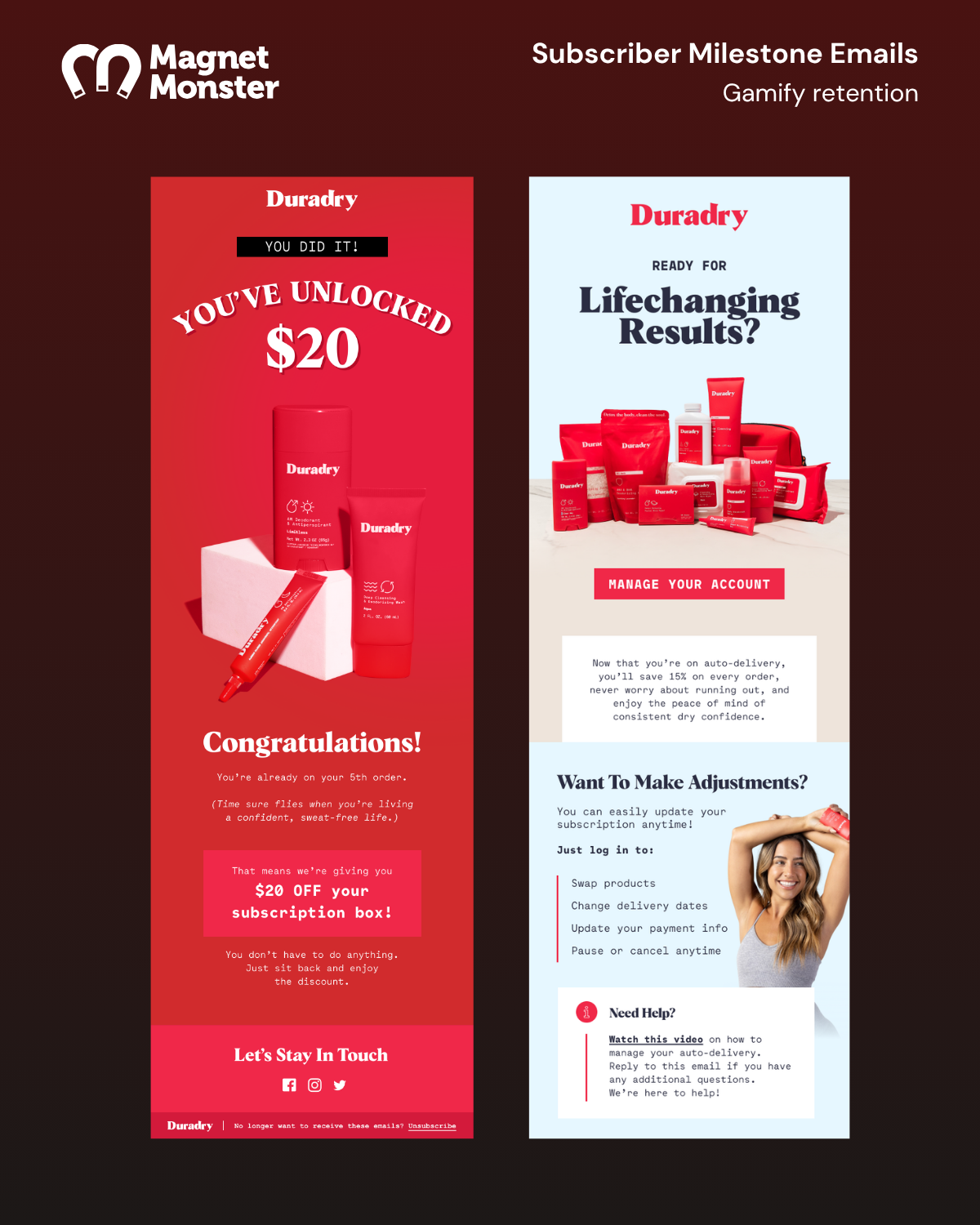
Optimise the cancellation flow
A meaningful percentage of portal visits happen with cancellation intent. Your cancellation flow is the last line of defence.
The strongest cancellation flows present options based on the reason selected. Price objection: address it with a relevant incentive. Too much stock: offer a pause, a frequency change, or a quantity reduction. Not getting results: provide education and accountability content.
One important caveat: saving someone from cancelling is only valuable if they are billed again. A customer who pauses indefinitely is not retained revenue. Track what happens downstream of each save. You need to know whether customers who accepted an alternative offer eventually resumed billing.
Make subscription benefits visible in the portal
The customer portal should include a visible benefits and milestone rewards page showing exactly what subscribers unlock at each stage.
Gifts, increasing discounts, exclusive products, educational content, milestone rewards - display these prominently in the portal, in order reminders, and in billing notifications.
Rather than treating every email to a subscriber as a churn risk, focus on building a subscription experience worth staying in.
Use digital punch cards
Punch cards help subscribers track their own progress and stay accountable. They work particularly well for products requiring daily use - supplements, skincare, health products - where the ritual matters as much as the product itself.
Read: How to Improve a Low eCommerce Retention Rate
Lever 3: How do you increase subscription AOV?
The third lever is increasing what each subscriber spends per order.
Many brands avoid this because they are still afraid of communicating with active subscribers. I’ve spoken about this earlier, that fear is justified during the first three orders but quite misplaced after Order #3.
Also read: How to Email Active Subscribers to Grow LTV for DTC Subscription Brands
Once the retention curve has stabilised - typically around order three or four - these are your strongest customers. They are the most likely to respond to a relevant cross-sell or upsell. Communicating with them at this stage is not a churn risk. It is the most obvious growth opportunity in the business.
When you are unsure about the impact, run a holdout test. Exclude part of the audience from the marketing and compare long-term lifetime value between the two groups. The data is almost always instructive.
As a general rule, one to two relevant offers per month to established subscribers is enough.
Introduce complementary products
For Hiya Health, the upcoming order email introduces probiotic or night time essentials products to customers already subscribed to the multivitamin. The logic is straightforward: identify what pairs naturally with the existing subscription and introduce it at the right moment.

Offer volume-based savings
Dr. Livingood presents a clear savings structure to established subscribers - 10% off with two jars, 15% off with three. Do not be afraid to present strong offers to your best customers. They are more likely to respond positively than any other segment in your database.
Give customers a product to trial
For another client, we sent a plain-text email from the founder offering vitamin D3 and K2 for free with the next order.
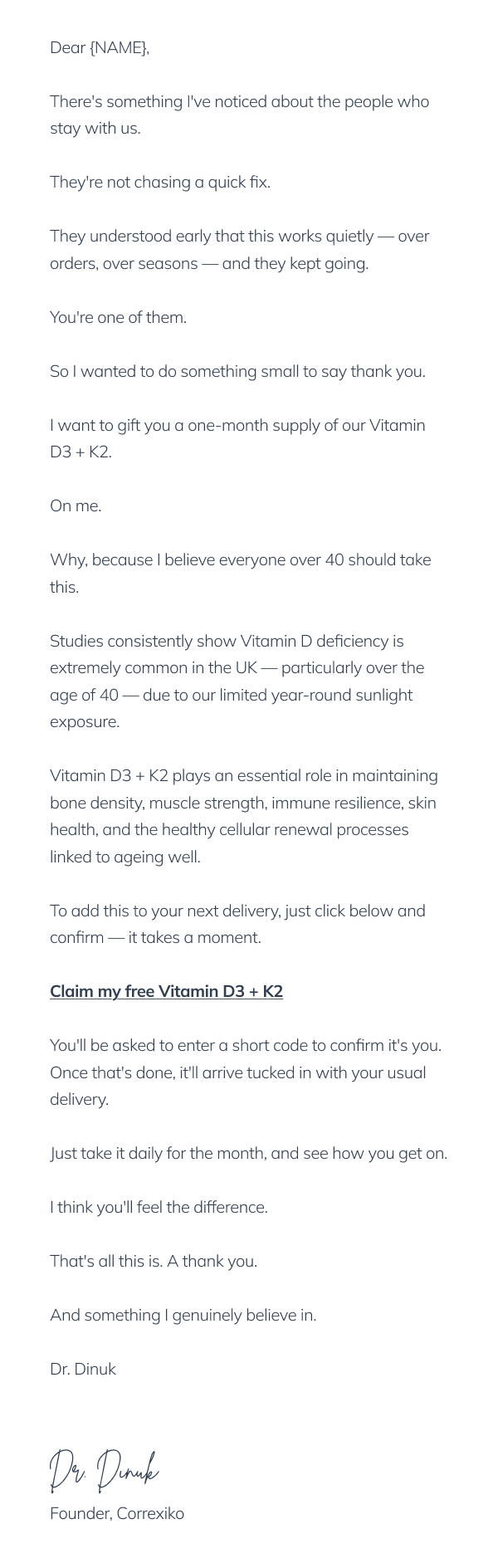
The logic here is simple: When you have a low-cost, high-margin SKU, give it to a strong subscriber and let it renew with the next subscription order. The customer tries the product with no risk. If they like it, it compounds into recurring AOV over time.
Founder-led plain-text emails perform particularly well here because they feel personal. That matters when you are asking someone to add something to an existing commitment.
Use AMP technology to remove friction from upsells
Zaymo's AMP email functionality allows customers to add products to their upcoming subscription order directly from inside the email - no website visit, no portal login required.
Brands like Bite and Magic Mind use this well. Rather than treating the upcoming order email as a liability, they include cross-sells inside the message and make adding products a single tap.

This removes a significant amount of friction from the upsell process. Less friction means higher uptake.
Upgrade customers to larger commitments
Once a subscriber reaches the third or fourth order, offer an upgrade from a monthly supply to a quarterly one. Make the savings clear. Bring the cash flow forward. Increase the customer's commitment to the product.
The same principle applies to annual plans where the product category supports it.
Use the customer portal for cross-sells
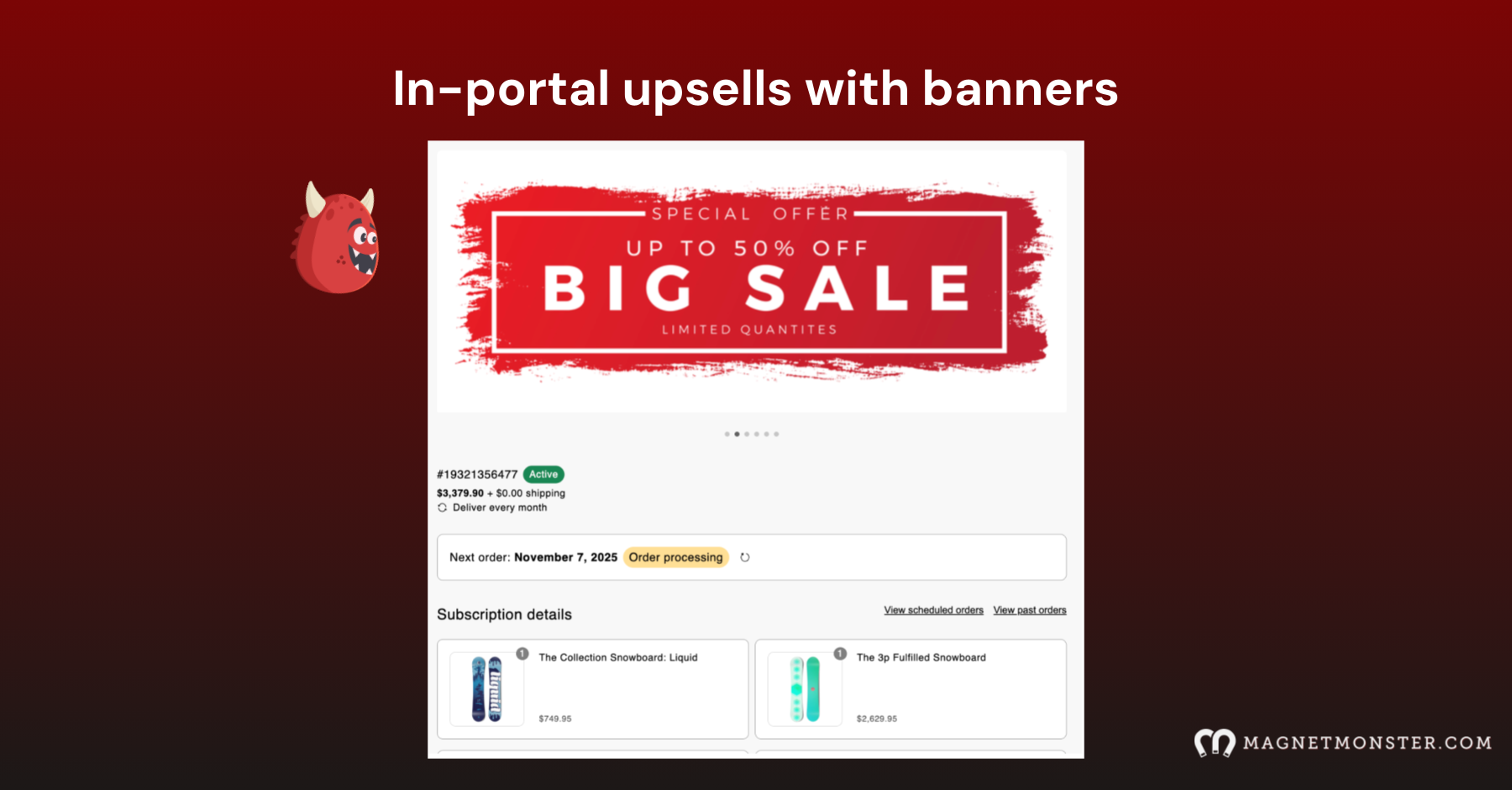
Change portal banners dynamically for established subscribers when you have a limited-edition release or new product launch. Include simple widgets that allow customers to add products to their next order without leaving the portal.
FAQs
What are the three best levers to grow a subscription eCommerce business?
1. Subscription take rate - the percentage of customers who subscribe on their first purchase rather than buying once.
2. Subscription churn - the rate at which active subscribers cancel.
3. Subscription AOV - the amount each subscriber spends per order.
The strongest subscription brands work on all three simultaneously. Optimising one in isolation consistently produces slower results than applying compound pressure across all three.
What is a subscription take rate and how do you improve it?
Your subscription take rate is the percentage of first-time buyers who choose a subscription rather than a one-time purchase. The biggest lever is the subscription buy box. Make the subscription the default selected option, break the price down per day or serving, make flexibility visible, remove perceived risk with a money-back guarantee, and offer tiered rewards for subscribing. Post-purchase pages that offer a late switch to subscription can also capture customers who initially chose a one-time purchase.
Why do subscription customers cancel and how do you reduce churn?
Price is rarely the primary cause. Most cancellations happen because the customer isn't using the product consistently and therefore isn't experiencing the result they expected. The fix is product activation - getting the customer using the product immediately and building a habit during the first two weeks. Gamification tools like streaks and challenges, transparent account management, strong cancellation flows with objection-specific responses, and visible milestone rewards in the customer portal all contribute to reducing churn.
When is it safe to start marketing to active subscribers?
After the third or fourth order, when the retention curve has stabilised. Before that point, marketing communications carry a genuine churn risk because the habit is not fully formed. After that point, established subscribers are your strongest customers and are well-suited for cross-sell and upsell campaigns. One to two relevant offers per month is the right frequency. When uncertain about the impact, run a holdout test.
How do you increase AOV for existing subscribers?
Introduce complementary products that pair logically with the existing subscription, starting after the third or fourth order. Use upcoming order emails to present cross-sells and upsells rather than treating them only as billing notifications. Offer volume-based savings to encourage larger orders. Give customers a low-cost, high-margin product to trial for free with their next renewal. Use AMP email technology to allow customers to add products directly from inside the email without visiting the portal. Offer commitment upgrades - monthly to quarterly - once churn has stabilised.
What is the right tool to manage subscription upsells via email?
Zaymo's AMP email functionality allows subscribers to add products to their upcoming order directly from inside the email. This removes the friction of requiring a portal login or website visit. It works particularly well for upcoming order emails, turning what most brands treat as a liability into a meaningful AOV driver.
Does email alone scale a subscription business?
No. Email is one channel in a broader retention stack that should also include SMS, direct mail, the customer portal, and the subscription buy box itself. Brands that rely exclusively on email leave incremental revenue on the table across every other touchpoint. The most effective subscription growth programmes optimise the buy box, the cancellation flow, the portal experience, and the omnichannel retention stack simultaneously rather than treating email as the only lever.
Conclusion
The three-lever formula to grow your subscription business is straightforward.
Increase take rate by making subscription the default, remove perceived risk, and give customers a reason to commit upfront rather than trying it once.
Reduce churn by activating customers fast, building habits during the first two weeks, making the portal experience worth staying in, and addressing the real reason most people cancel - which is not price, but failing to use the product.
Increase AOV by communicating with established subscribers, introducing logical cross-sells after the retention curve stabilises, and removing friction from the upsell process with smarter email mechanics.
None of this is complicated.
What makes it rare is that most subscription brands are still treating retention as a single-channel email problem, optimising one lever at a time, and staying in defensive mode with their best customers long after the risk has passed.
The best brands are pulling all three levers simultaneously and building a subscription experience customers genuinely want to stay in.
Also read

.svg)


1.png)
.png)