Four weeks from now, most subscription brands will point a 40% sitewide offer at their own subscriber base.
I manage subscription accounts at Magnet Monster, and this week I'm walking every one of them through the same pre-BFCM checklist.
A BFCM strategy works for a subscription brand when there are more active subscribers in January than there were in October. A revenue spike that cancels itself out by February cost you money, because every one of those orders went out at a discount. The nine checks below protect the subscribers you already have, make subscribing the best deal on your site, and prepare you for the January cancellations before they arrive.
Here's the checklist:
1. What should BFCM actually achieve for a subscription brand?
More active subscribers in January than you have today.
Not a big revenue number on the weekend.
A one-time brand can judge BFCM on the weekend. A subscription brand can't, because your sale produces commitments, and commitments can be cancelled.
So here's how we judge it: take everyone who subscribes during the sale, and watch how many of them reach their second and third order. Then compare that to the people who subscribed in September and October.
One rule on how you read that data.
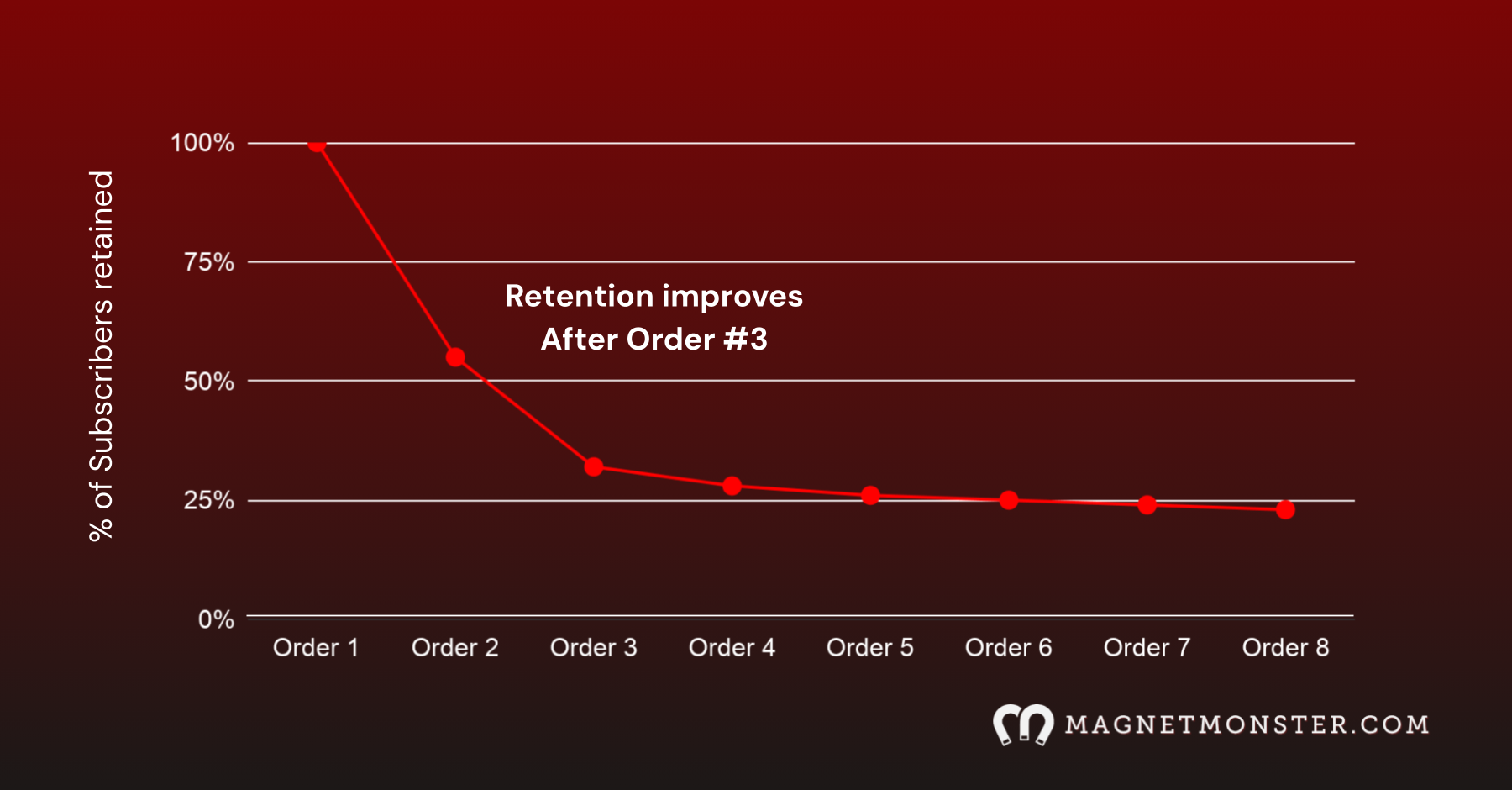
We always plot subscriber retention by order number, never by calendar month. People skip. People pause. Plenty of brands sell 60 or 90 day supplies upfront. So a subscriber can sit at month three having opened one box, and the month view tells you they're settled when they've barely used the product.
Orders tell the truth. Months flatter you.
Read: Why tracking by month hides your real churn
2. Should existing subscribers see your sitewide Black Friday offer?
No.
A sitewide 40% is a cancel-and-rebuy offer for every existing subscriber. And you cannot hide it from them. They're on your list, they visit your site, and they talk to each other.
Roughly 70% of subscription portal visits are made with intent to cancel (we've covered this before). Every public reminder that new customers pay less is a nudge towards that portal.
So exclude active subscribers from the public sale emails.
Then give them their own version, and make it better than the public one:
Early access, so they hear about the sale before anyone elseA deeper discount on add-on productsA subscriber-only bundle nobody else can buy
The principle is simple. Your subscribers hear first, and they get a better deal. Staying subscribed has to be the privileged position, because the moment new customers get treated better than loyal ones, cancelling becomes the rational move.
3. How do you make subscription the best offer on site?
If the public discount is deeper than the subscription discount, you are running a one-time sale with a subscribe box on the page.
Nobody ticks that box when the other option is cheaper.
An example structure: 30% off sitewide, 50% off subscriptions, with bundles or starter kits on top. Those numbers are illustrative, not a benchmark. The relationship between them is the point: subscribing should always be the clear best deal on the site.
And bundles do two jobs at once. They raise the order value, and they bring in customers who buy the full routine rather than a single product. A customer on the full routine has more reasons to stay than a customer testing one thing.
Read: Why Your eCommerce Subscription Revenue Has Plateaued (And What To Do About It)
4. How do you grow lifetime value from the subscribers you already have?
BFCM is also the moment to make your current subscribers worth more.
But only the right ones. We hold these offers for subscribers past their third order, because that's where cancellations flatten out and the habit is built. Before that point, every extra marketing message is a reminder that cancelling exists.
For the established group, BFCM is two plays.
Play one: the one-click add-on. Inside the upcoming order email, a customer taps once and a complementary product drops into their next box. No login, no portal, no code to type. We build these with interactive email technology from Zaymo, and it changes what the billing reminder is. Instead of "we're about to charge you", the email becomes "here's what's coming, and here's how to get more out of it".
Play two: the prepaid upgrade. One click moves a monthly subscriber onto a 3 or 6 month plan at the BFCM price. The customer locks in a price they're happy with, you lock in the revenue before the January cancellation window, and your cash flow improves on the spot.
Both plays lift lifetime value without discounting a single renewal.
For more on these mechanics: our 4-play upsell playbook for existing subscribers and how interactive emails simplify shopping for subscribers.
5. What's the cancellation offer to build before the sale?
During the sale, one cancel reason will show up again and again:
"I wanted the Black Friday price."
Build the answer before launch: we'll match it on your next order.
Three guardrails, all set up front:
Live for the sale window onlyOne use per customerA cool-off period, meaning a stretch of time before that customer sees an offer like this again
The guardrails are the actual point. Without them, you've taught your customers that threatening to cancel earns a discount, and some of them will test it every month. With them, you keep the subscribers who only wanted the same deal everyone else got, and the offer switches itself off when the sale ends.
6. How do you stop the discount breaking renewals?
Three checks, all before launch day:
The sale discount applies to the first payment only, then pricing reverts on its own.
The sale code cannot stack on top of the existing subscription plan discount.
You know exactly what the customer's renewal will cost before the sale goes live, not after the first angry email.
This is the least exciting item on the list, and it causes the most expensive mistakes. A code that stacks or never reverts turns your BFCM intake into permanently discounted subscribers, and you usually find out in December.
7. How do you handle the first full-price renewal?
Everyone who subscribed at 40% off pays full price for the first time over Christmas.
That renewal email is the most dangerous message of the quarter, so don't let it be a bare billing notice.
Before the email shows the manage link, it should remind the customer why they signed up: what the product does for them, what result they're working towards, what's in the box this time.
Then give the second order a reason to feel like a win. A small gift or a free add-on, built and scheduled before the sale sign-ups get there.
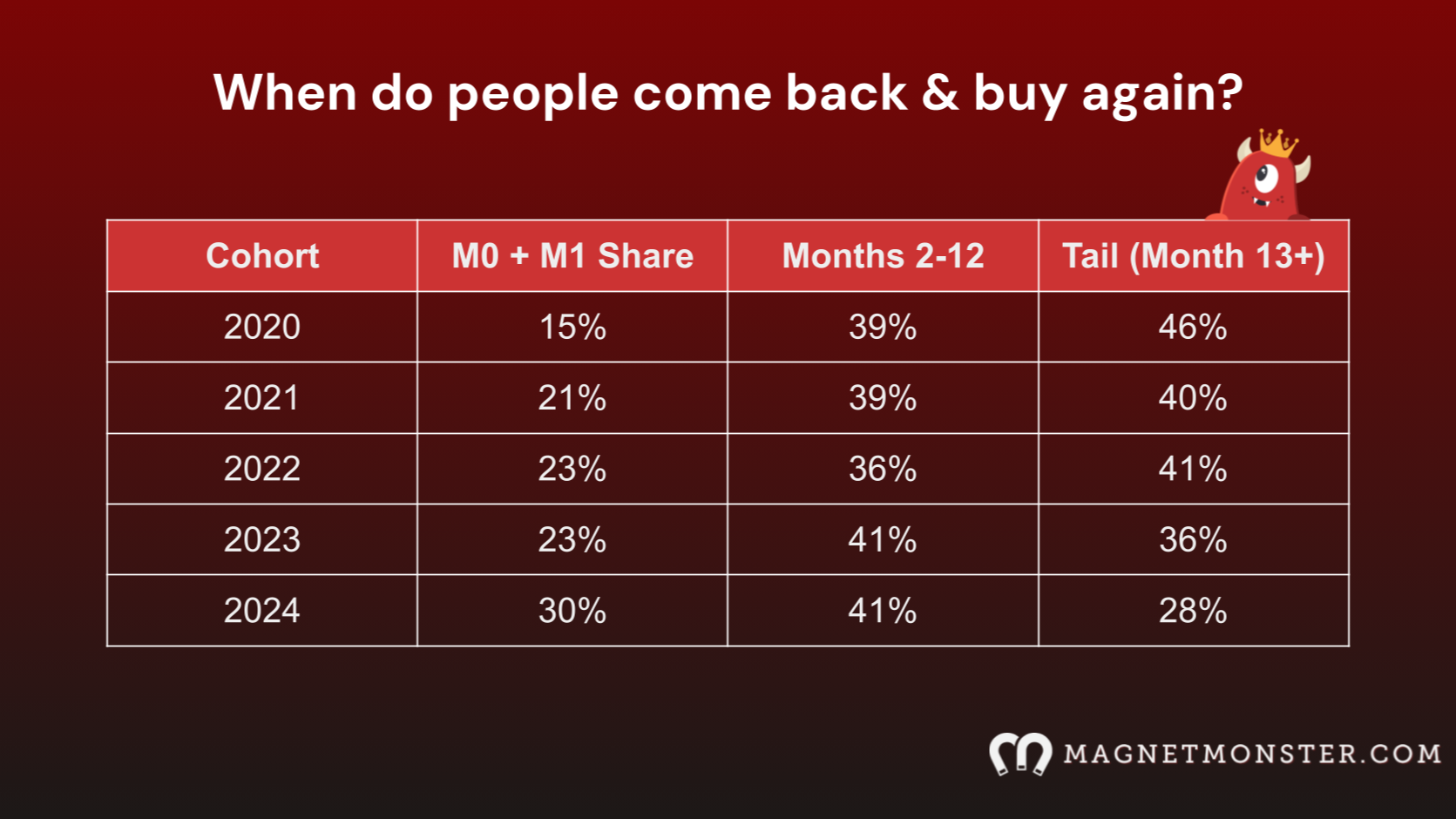
And refresh your welcome emails now, while there's still time. How to use the product, how often and when it ships. The customers who build the habit in the first few weeks are the ones still there at order three.
Read: How to Reduce DTC Subscription Churn in the First 5 Orders
8. How should you measure BFCM subscribers?
Tag every subscription started during the sale window, on day one.
Then write down your September and October numbers before the sale begins: how many subscribers reach orders two and three, why people cancel, how many skip, how many payments fail. That's your before picture. Without it, you'll have nothing honest to compare the sale against.
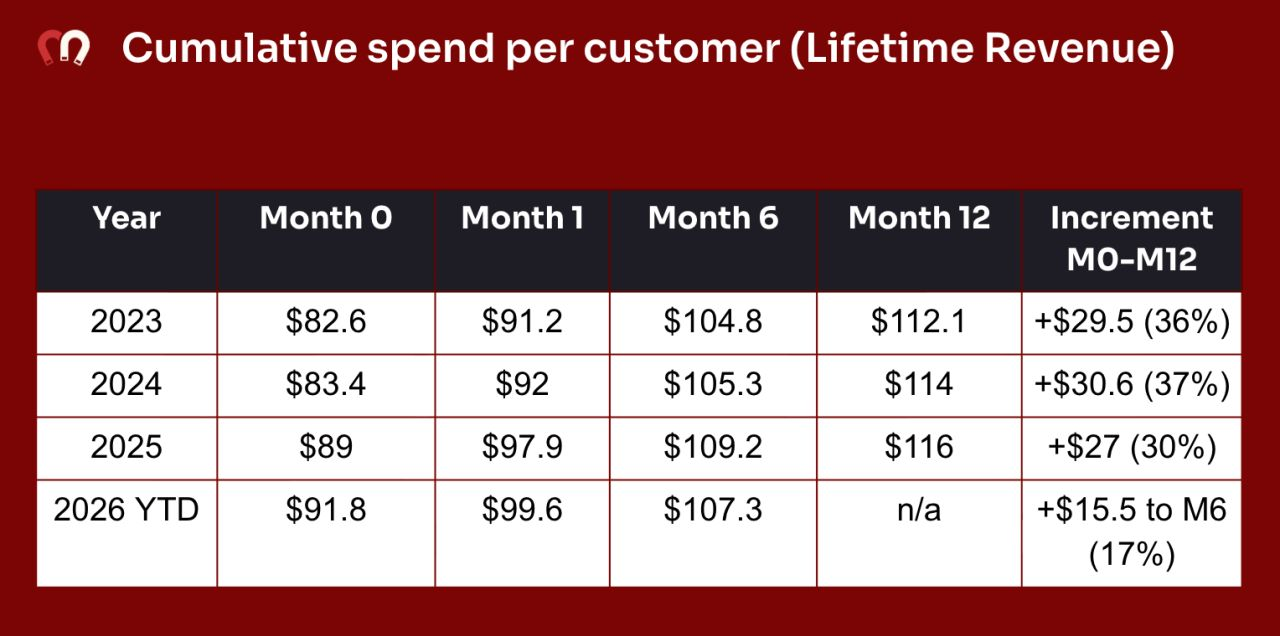
Because these customers are different. They cost more to acquire, they paid less than usual, and they're likely to cancel at a higher rate. For context on what subscriber loss looks like across the industry, the median brand in the benchmark report we published with Loop Subscriptions loses 8.0% of its subscribers in a month. Your sale intake is competing against that gravity with a thinner margin behind it.
One warning on reading the results. There's no clean A/B test inside BFCM. Traffic changes, offers change, and buyer intent changes, all at once. So compare the November sign-ups to past months, and treat what you see as a clue, not proof.
9. Why does January planning start now?
Some of your December and January cancellations are already locked in.
Gift buyers cancel after the gift arrives. Impulse buyers cancel when the credit card statement does. That's expected, not a failure, and no onboarding email prevents all of it.
What you can control is what's waiting for them. For wellness and supplement brands especially, the New Year is the single best window to bring cancelled subscribers back, because the person who lapsed in December is setting goals again in January.
If those emails aren't in the calendar now, they won't be ready. You'll be writing winback copy in the first week of January while your competitors are already sending it.
More on reducing cancellations: our conversation with Matthew Holman on D2C subscription churn
Frequently asked questions
Should I give existing subscribers my Black Friday discount?
Not the public version. Give them their own offer that beats it: early access plus a deeper deal on add-ons, or a subscriber-only bundle. A public discount with nothing on top tells your most loyal customers that new customers get treated better, and they'll act on it.
Should subscriptions be discounted more than one-time purchases during BFCM?
Yes, if you want the sale to produce subscribers. Whatever the best deal on your site is, that's what people will buy. Keep the subscription discount on the first payment only, so every renewal lands at full price.
How do I stop Black Friday subscribers cancelling in January?
You won't stop all of it, and some of it comes from gift buyers who were never staying. What works: refresh the welcome emails before the sale, sell the value in the email before the first full-price renewal, have a second-order gift ready, and build the price-match offer into the cancellation flow before launch.
Is BFCM worth it for subscription brands?
Yes, when it's judged on the right outcome. More active subscribers in January than October means it worked. A weekend spike that cancels itself out by February means you funded a discount for people who were never staying. Track the sale sign-ups separately and let the data answer it for your brand.
The damage shows up in January, not November
Run the nine checks before the sale goes live, and BFCM becomes what it should be for a subscription brand: a subscriber acquisition event with a long tail, instead of a discount weekend with a hangover.
P.S - If you only build one thing from this list before launch, make it the price-match offer in the cancellation flow. It takes an afternoon to set up, and it's live at the exact moment your most price-sensitive subscribers reach for the cancel button.
Related reads: