If you're scaling an ecommerce brand, you're already using email to drive revenue.
But I'd bet you're not using it to lower your acquisition costs.
Or to cut your support tickets.
Or to collect a steady supply of user-generated content for your ads and product pages.
Email can do far more than sell. The seven strategies we run for clients at Magnet Monster use it to collect zero-party data, run qualitative research, send quiz emails, gather UGC, handle customer support proactively, decide which products to launch next and drive referrals.
Each one feeds a different part of the business, from paid media to product development, and several of them improve your deliverability at the same time.
Here's how each one works, in the order we'd deploy them.
1. How do you use zero-party data in email marketing?
Zero-party data has become a bit of a buzzword.
So here's the practical version.
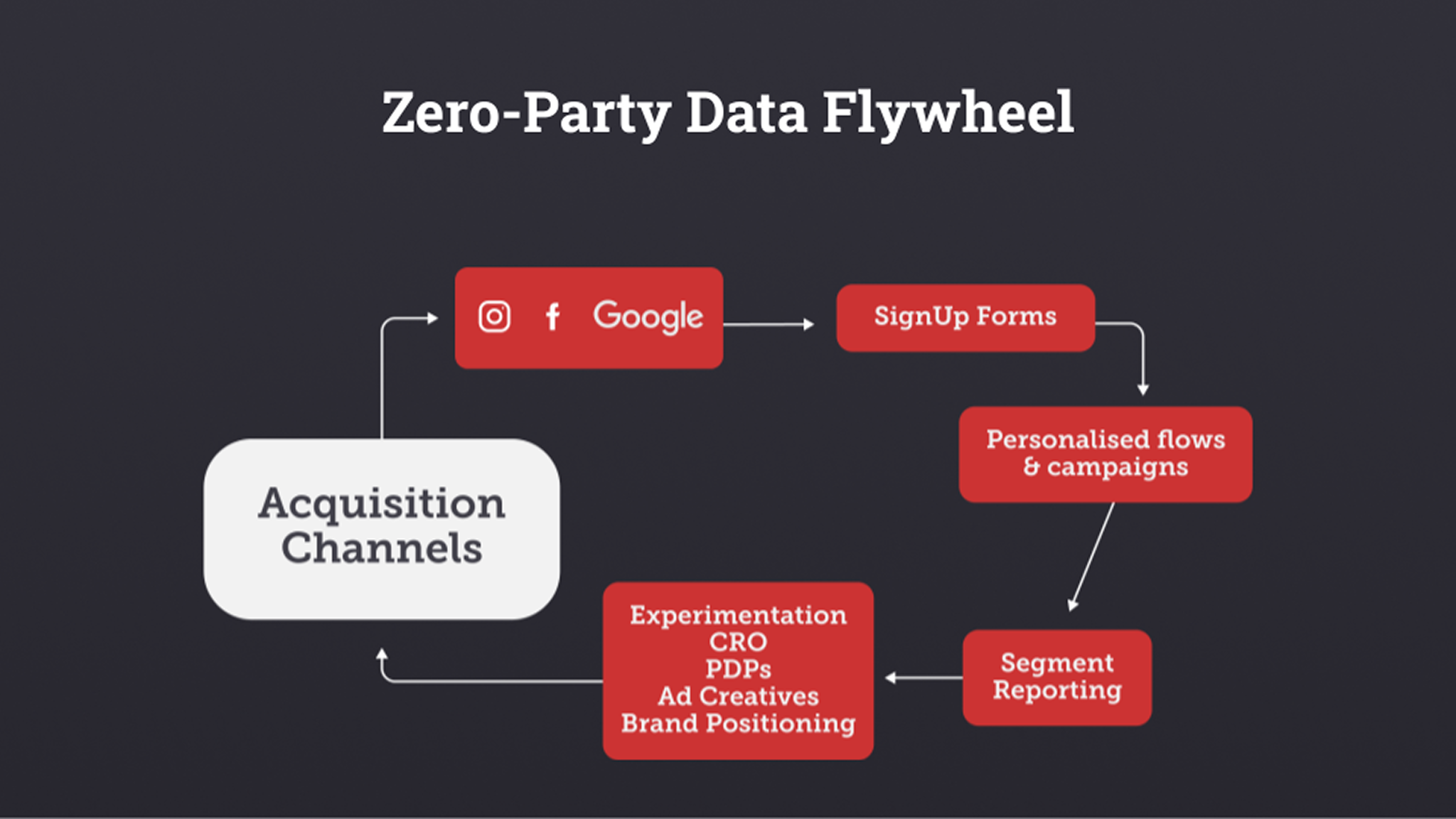
It starts with a flywheel.
Your paid channels (Meta, Instagram, Google) bring people to the site.
A sign-up form asks them one question about what matters to them which then feeds four places:
- Your welcome flow, so new subscribers get the message that matches their answer and convert better
- Your segmentation, so you can personalise content to customers over the long term
- Your acquisition strategy, because the answers show you what your highest-value customers have in common
- Your product pages, so the copy leads with what customers actually care about
That third one is where zero-party data earns its keep.
For Wild, the answers showed that effective ingredients mattered far more than anything else.
Sustainability and smelling good came next.
Both are important, but the message to lead with, for conversion and for lifetime value, was the quality of the ingredients.
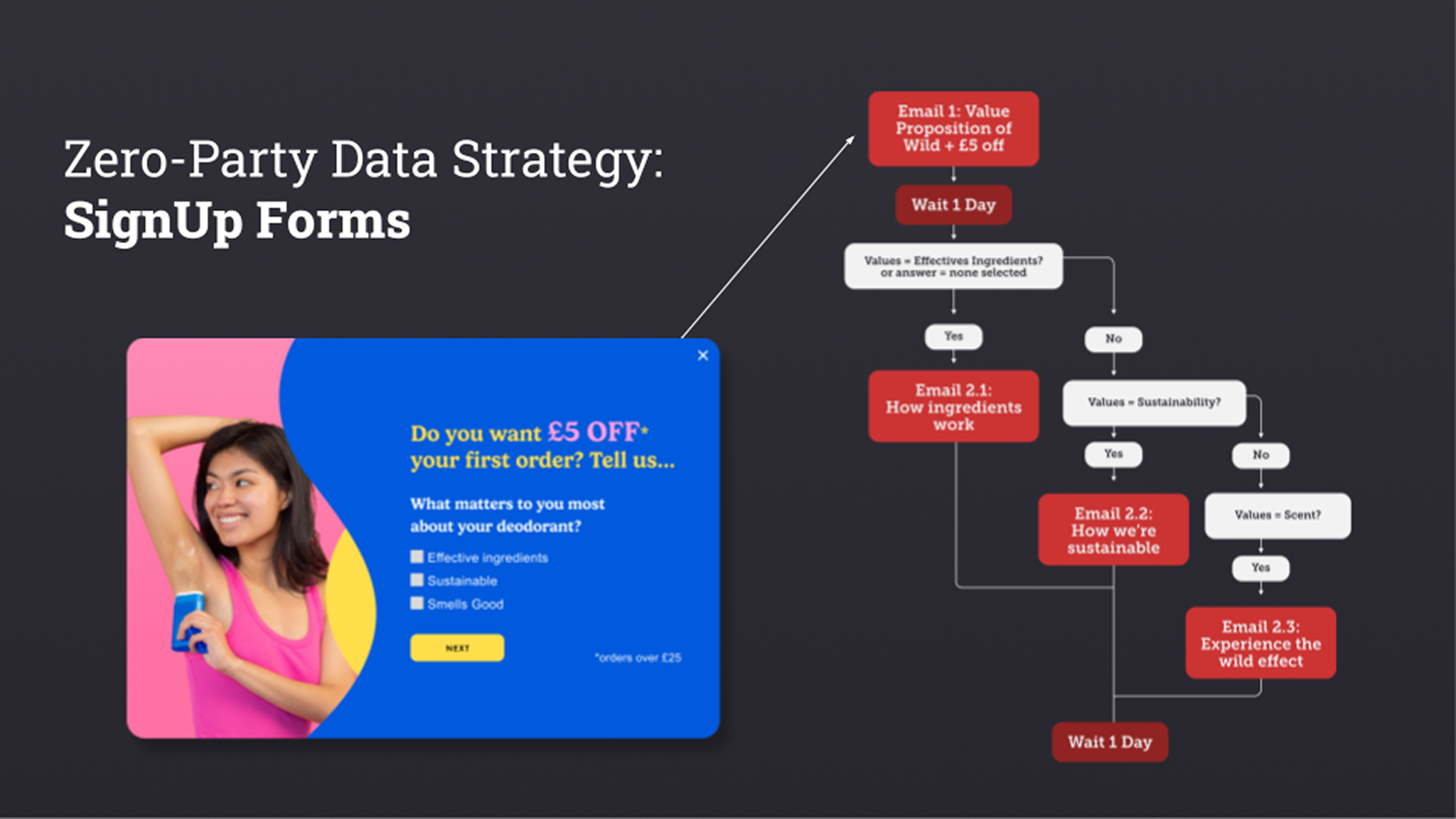
That now shapes how the ads are written, how the welcome flow opens and how the product pages are structured.
If you want to go deeper on the tooling side, our guide to omnichannel personalisation with zero-party data software covers how to wire the answers into each channel.
And because the sign-up form is where all of this starts, it's the one asset that deserves more testing than your campaigns ever will.
2. When should you send qualitative research emails?
Qualitative research means asking customers why.
Why do they buy it?
What's stopping them from buying again?
You deploy it at the points where there's friction, and the biggest friction point for most ecommerce brands sits between the first and second purchase.
Around 70% of customers drop off between their first and second order.
So that's where we start.
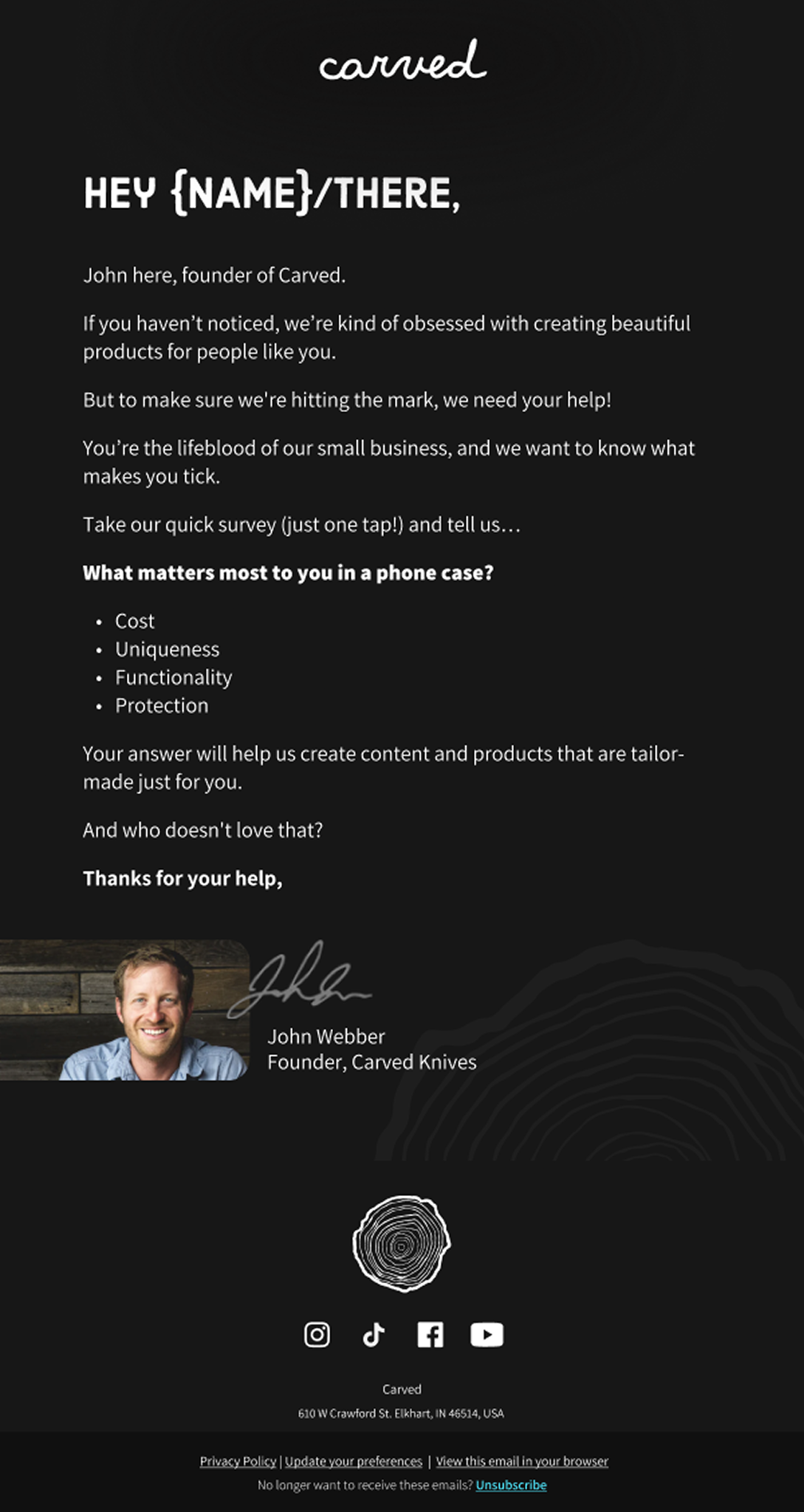
The format is simple: a plain-text email, ideally from a forward-facing founder, asking an open question.
For consumable products, send it around 25 to 40 days after the first purchase.
If the second order hasn't come by then, there's usually some kind of dissatisfaction with the product, and you want to hear about it while you can still fix it.
You can also add one early in the abandoned cart flow to find out what's stopping people at checkout.
And there's a bonus.
When customers reply, inbox providers see that people want to hear from you, which strengthens your deliverability.
So the same email gives you insight into your bottleneck and better inbox placement.
We've written a full walkthrough on how to implement qualitative research in Klaviyo, and the timing logic ties into why the first 30 days matter most for retention.
3. Do quiz emails work for ecommerce brands?
This is one of my favourite campaigns to run for clients.
A quiz is a pattern interrupt.
Because everyone else is sending another sale but you ask the customer a fun question about the brand instead.
The mechanics:
- Ask something simple and interactive about the brand
- Collect the responses
- Send a follow-up email announcing the winners
- Pick around three people and give them a prize
It gamifies the experience, and people enjoy taking part.
It also lifts open rates on the sends that follow, and like qualitative research, the engagement helps your deliverability. (Our email deliverability bible explains why engagement signals carry so much weight.)
And you'll be surprised how many sales a quiz email generates, even though it isn't asking for one.
That's mental availability at work.
The customer thinks of you more often, so they buy from you more often.

4. How do you collect user-generated content through email?
Review requests after purchase are important, and you should already have them running.
But there's a lot more UGC available to you if you run it as a campaign.
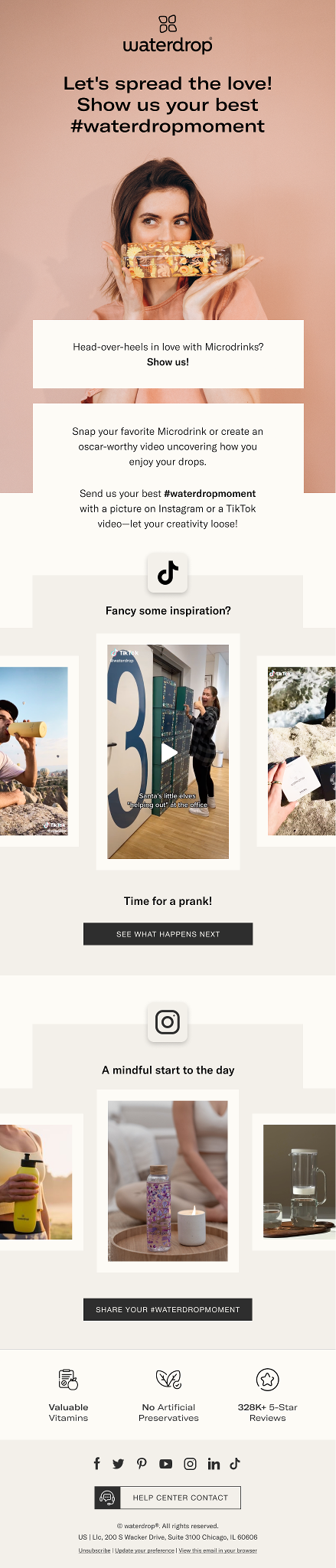
We use a competition-style email, like the one we ran for Carved, and the response rate on these is consistently higher than brands expect.
It's another pattern interrupt.
And what you collect feeds the rest of the business:
- Your acquisition team gets a steady supply of creative for paid ads
- Your website gets real customer content for product pages
- Your organic social gets content you didn't have to produce
Try to run one UGC campaign every month.
Customers like taking part in something fun with a brand they already buy from, and you get a library of content out of it.
For more formats beyond the competition, here are 7 creative ways to collect UGC via email, SMS and direct mail.
Here's the video we created that breaks down all these seven strategies:
5. How can email reduce customer support tickets?
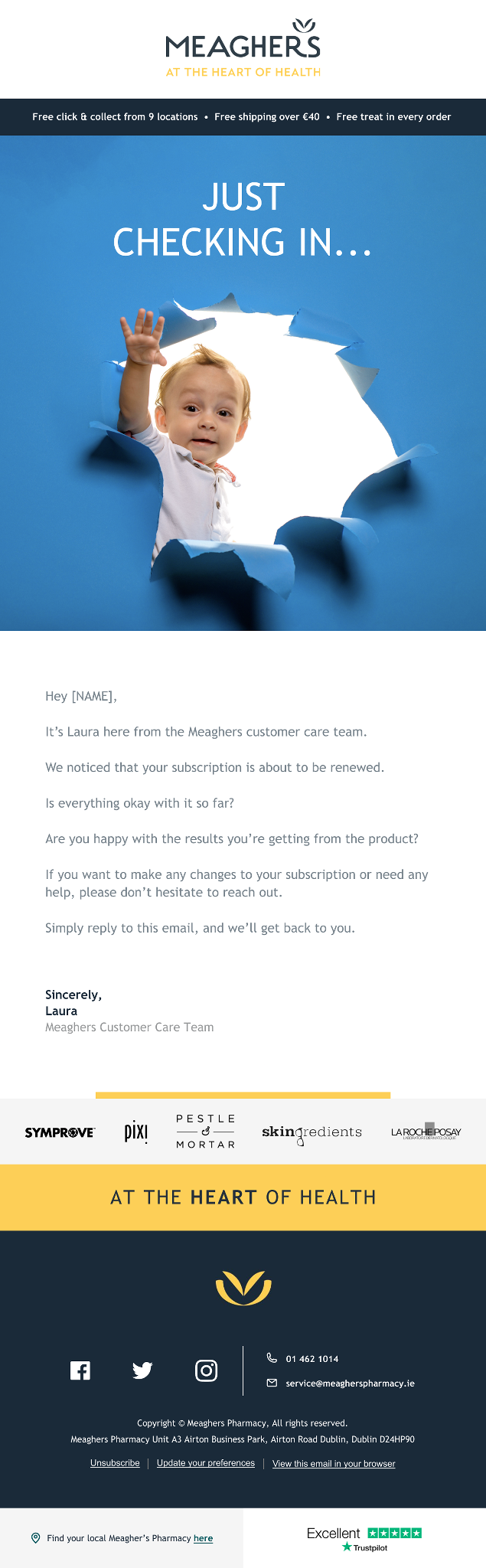
It comes down to being proactive.
Reach the customer after they've purchased, before they have a reason to complain.
A simple plain-text email from your customer service team does the job.
It works a bit like qualitative research, because you're asking for feedback directly.
But the goal here is different.
You're heading off negative reviews and answering the questions customers would otherwise send to support: where's my order, what happened, why did this go wrong.
None of these emails try to sell.
They give the customer a good experience, and all the best brands do this.
It won't show up in your short-term numbers.
But a proactive approach drives higher lifetime value over the long term, and that's critical to scaling the brand.
Most of these touchpoints live in the post-purchase journey, so our post-purchase flow build sequence for Klaviyo is the place to slot them in.
6. Can you use email to decide which product to launch next?
Yes, and this is another of my favourites.
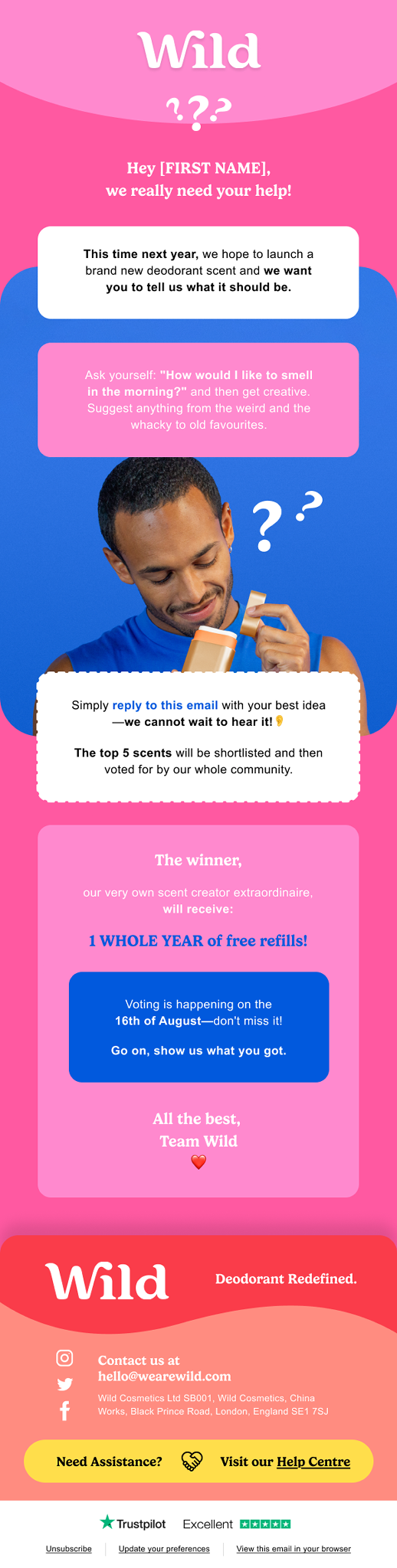
For Wild, we ran a campaign asking customers which new scent variant they wanted to see next.
Customers voted by clicking a button in the email.
In the follow-up send, we announced the winner to the same audience.
Then the brand created that scent.
It's fun, it builds positive sentiment, and it helps deliverability again.
Sometimes you have to treat email as a one-to-one channel, where the goal is replies and votes rather than clicks.
Your existing customer data is your most valuable asset.
Ask customers what they want and you de-risk what you spend on product development.
You also get a clearer idea of how the launch will sell, because your customers have already told you they want it.
When it's time to launch, here's how to launch new products profitably using your email list.
7. How do you use email to drive referrals?
Send referral offers to your best customers, and to your one-time buyers too.
In my experience, the offer needs to be extremely generous, for both the person referring and the person receiving.
That's how you build momentum.
The pushback I hear most is that brands don't want to give away margin.
But look at what you're paying per click and per acquisition on Meta and other paid channels.
A generous referral offer usually costs the same or less than acquiring a customer through paid media.
There's another upside.
Sometimes the referral offer gets the referrer to buy again too.
With around 70% of customers never making it to a second order, that alone makes it worth running.
The timing and targeting:
- Send it around 30 days after the first purchase, so the customer has used the product
- Wait until they've left a review, so you know they're happy
- Filter out anyone who left a negative review
- Then send your best possible offer
Referrals also show how retention and acquisition connect, which is the argument behind our five-level retention hierarchy.

Frequently asked questions
What can email marketing do besides drive sales?
Email can collect zero-party data, run qualitative research, gather user-generated content, reduce customer support tickets, help decide which products to launch and drive referrals. Several of these also improve deliverability, because customers reply to and engage with emails that ask for their input.
What is zero-party data in email marketing?
Zero-party data is information customers give you directly, such as an answer to a question on your sign-up form. You can use it to personalise your welcome flow, build segments, shape your ad messaging and improve your product pages.
When should you send a qualitative research email to customers?
For consumable products, send it around 25 to 40 days after the first purchase. If the second order hasn't come by then, there is usually some dissatisfaction you want to understand. You can also add one early in the abandoned cart flow.
How often should you run a UGC email campaign?
Once a month is a good rhythm. Competition-style campaigns get far more responses than standard review requests, and the content can feed your paid ads, website and organic social.
When should you send a referral email?
Around 30 days after a customer's first purchase, once they have used the product and left a review. Filter out anyone who left a negative review, and make the offer generous for both the referrer and the friend they refer.
Email is the cheapest research tool you own
Most brands send email to sell, then pay agencies, survey tools, UGC creators and paid media to do everything else.
A lot of that can come from the list you already have.
Pick one of these seven and run it this month.
And if you want to know which ones your Klaviyo account is missing, book a free Klaviyo audit and we'll show you where the gaps are.
Want more of this in your inbox? Subscribe to our newsletter and YouTube channel for weekly DTC retention strategies, extracted straight from the brands we work with. No fluff, just actionable plays.